
07 Oct 2020
Corporate Responsibility Towards the Environment in Focus
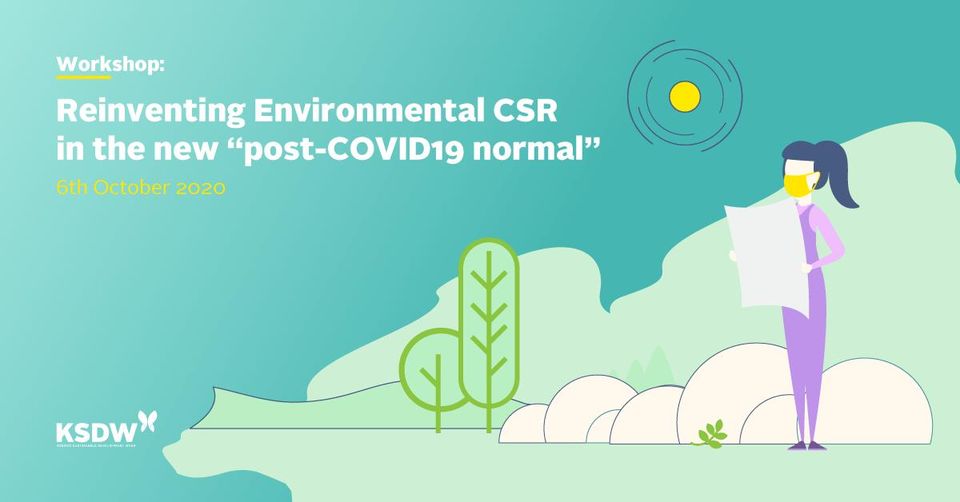
Kosovo CSR Network, in cooperation with the German Development Agency GIZ and supported by CSR Europe, organized a workshop on corporate environmental responsibility in Kosovo. The event was held as part of the Kosovo Sustainable Development Week and brought together private sector representatives and institutional partners to discuss current challenges and opportunities.
The COVID-19 pandemic has placed significant pressure on sustainable business development in Kosovo. At the onset of the crisis, around 95% of businesses reported negative impacts, while 59.4% expressed concerns about survival. Despite these pressures, many companies continued implementing corporate social responsibility practices, prioritizing employee well-being, community support, and compliance with preventive health measures.
The Executive Director of Kosovo CSR Network, Linda Tahiri, noted that the demand for such discussions had existed before the pandemic, but the crisis delayed the event. She emphasized that companies can integrate environmental aspects into CSR through energy efficiency, water management, waste treatment, and environmentally friendly policies.
Alexandra Linden, Head of the GIZ Programme for Sustainable Municipal Services, highlighted the relatively stable level of municipal service delivery during the pandemic and encouraged businesses to treat CSR investments as long-term priorities.
Business representatives from Sharrcem and ProCredit Bank shared insights into their experiences and adaptations. Sharrcem continued job creation through its Business Activities Laboratory, while ProCredit Bank maintained its commitment to reducing pollution, promoting recycling, and improving energy efficiency.
The workshop provided a platform for exchanging perspectives and expertise, contributing to the redesign of corporate environmental strategies during and beyond the pandemic.
The COVID-19 pandemic has placed significant pressure on sustainable business development in Kosovo. At the onset of the crisis, around 95% of businesses reported negative impacts, while 59.4% expressed concerns about survival. Despite these pressures, many companies continued implementing corporate social responsibility practices, prioritizing employee well-being, community support, and compliance with preventive health measures.
The Executive Director of Kosovo CSR Network, Linda Tahiri, noted that the demand for such discussions had existed before the pandemic, but the crisis delayed the event. She emphasized that companies can integrate environmental aspects into CSR through energy efficiency, water management, waste treatment, and environmentally friendly policies.
Alexandra Linden, Head of the GIZ Programme for Sustainable Municipal Services, highlighted the relatively stable level of municipal service delivery during the pandemic and encouraged businesses to treat CSR investments as long-term priorities.
Business representatives from Sharrcem and ProCredit Bank shared insights into their experiences and adaptations. Sharrcem continued job creation through its Business Activities Laboratory, while ProCredit Bank maintained its commitment to reducing pollution, promoting recycling, and improving energy efficiency.
The workshop provided a platform for exchanging perspectives and expertise, contributing to the redesign of corporate environmental strategies during and beyond the pandemic.